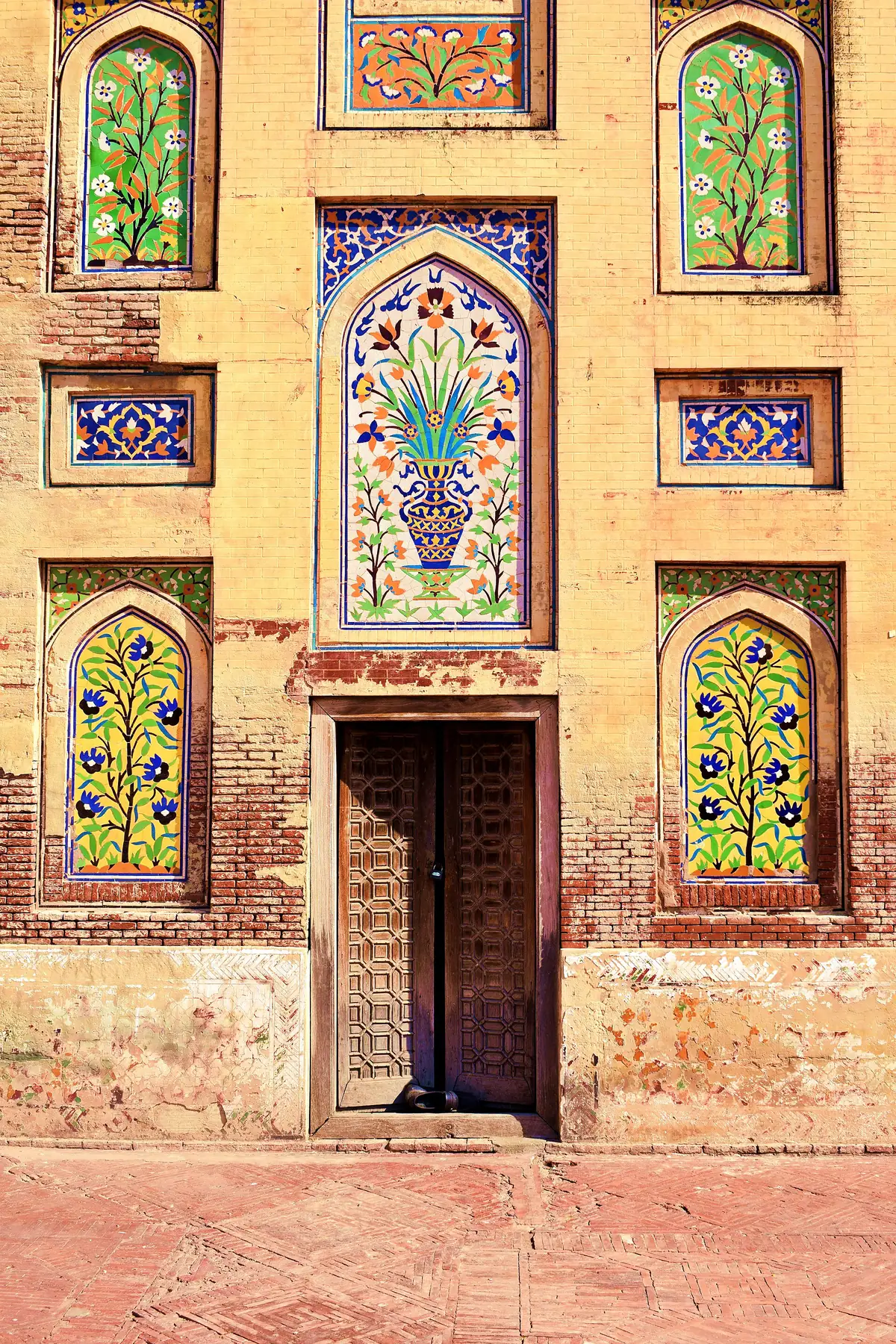
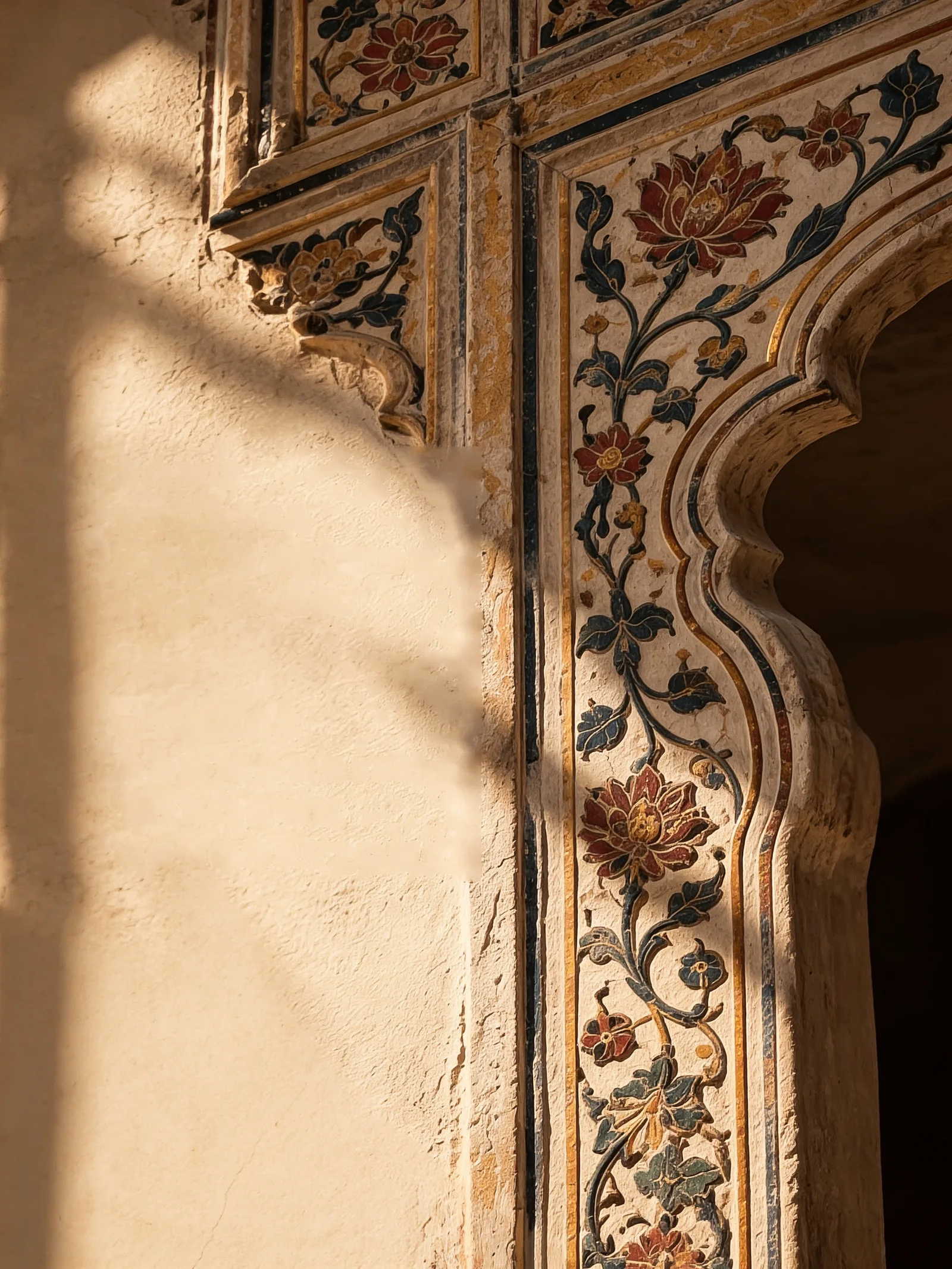
Sunlight and leaf shadows on a plaster wall in old Lahore
Dastaan in Urdu calligraphy

Dastaan

A collection inspired by the thirteen historic gates of Lahore and the splendour of Mughal artistry.

Read the story

The story

Some stories are written in stone.Others are carried through generations.

A carved arch in old Lahore, painted with flowers in red, blue and gold

The city behind the wall

Old Lahore was a walled city, and for centuries the way in was through one of thirteen gates. Each one faced somewhere. Delhi Darwaza faced the road to Delhi. Kashmiri Darwaza faced Kashmir. Others took their names from what stood beside them: the blacksmiths of Lohari, the royal mint of Taxali, the lamps of Roshnai.

In 1857 nearly all of them were pulled down. Some were built again. Six stand today. The other seven live on only in their names, and Lahore still uses every one of them.
What a Darwaza keeps

A Darwaza has two sides. One faces the road, the other faces home. Lahore keeps her stories in her Darwazas, her frescoes and her tiled walls. Behind them, families celebrated weddings, welcomed new beginnings, and made memories that outlived them.

One faces the road. The other faces home.
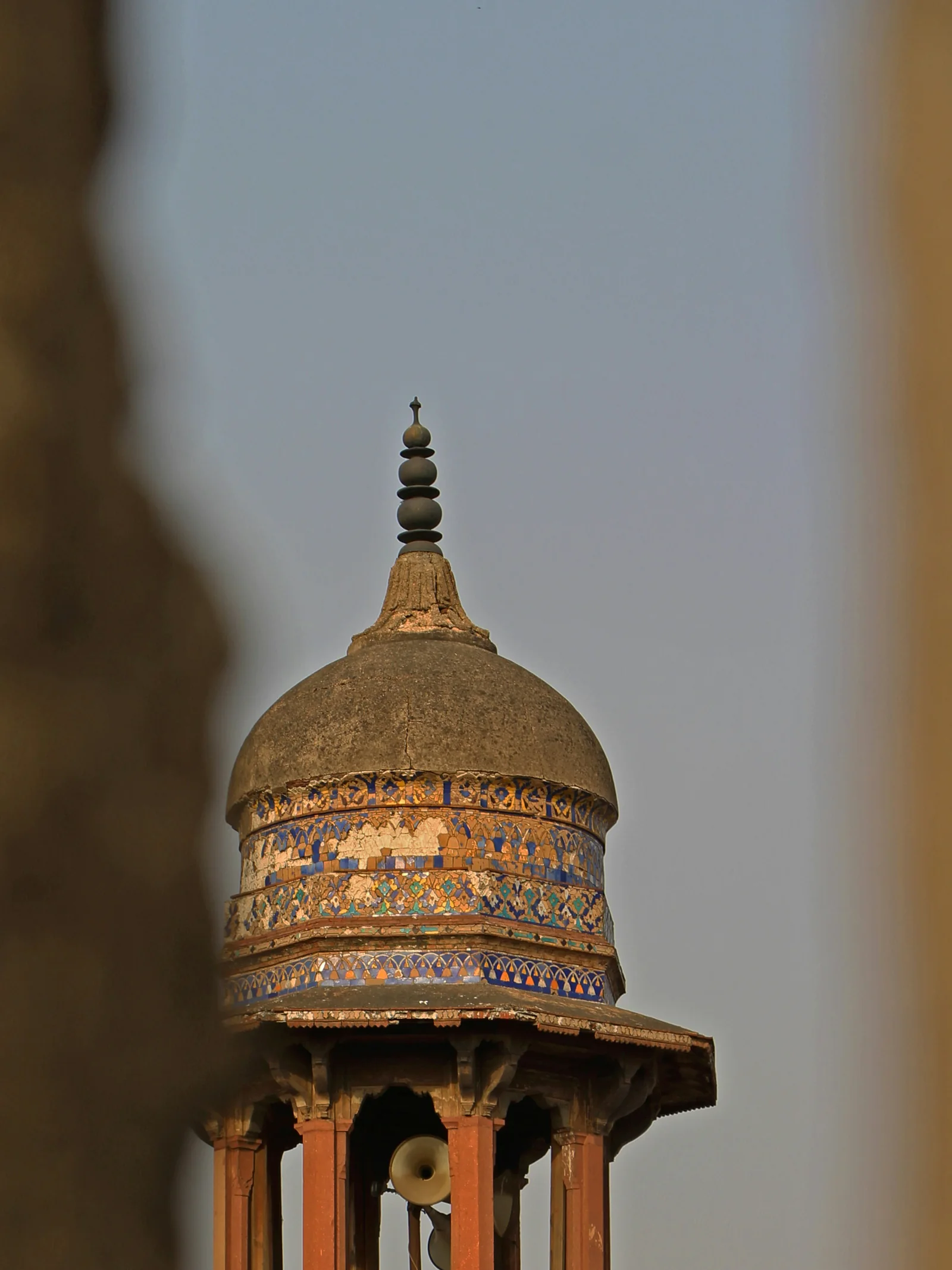
A tiled minaret of the Wazir Khan Mosque, Lahore

Why a jeweller tells it

Since 1957, Ruby Jewellers has been part of that tradition, where a piece of jewellery becomes more than something worn. It becomes something remembered, treasured, and in time passed on.

Lahore has worn its jewels for nearly four centuries. Not in gold, but in glazed tile: the minarets of the Wazir Khan Mosque, raised between 1634 and 1641 and dressed colour by colour. The craftsmen who made them were building something meant to outlast them. Ruby makes jewellery in that same spirit: pieces made to be kept.

How Dastaan is made

Each piece in Dastaan takes one Darwaza, and one idea from what stands beside it: the colours of a tiled wall, the curve of an arch, the two faces of a gate.

The collection opens one Darwaza at a time. It begins at Delhi Darwaza.

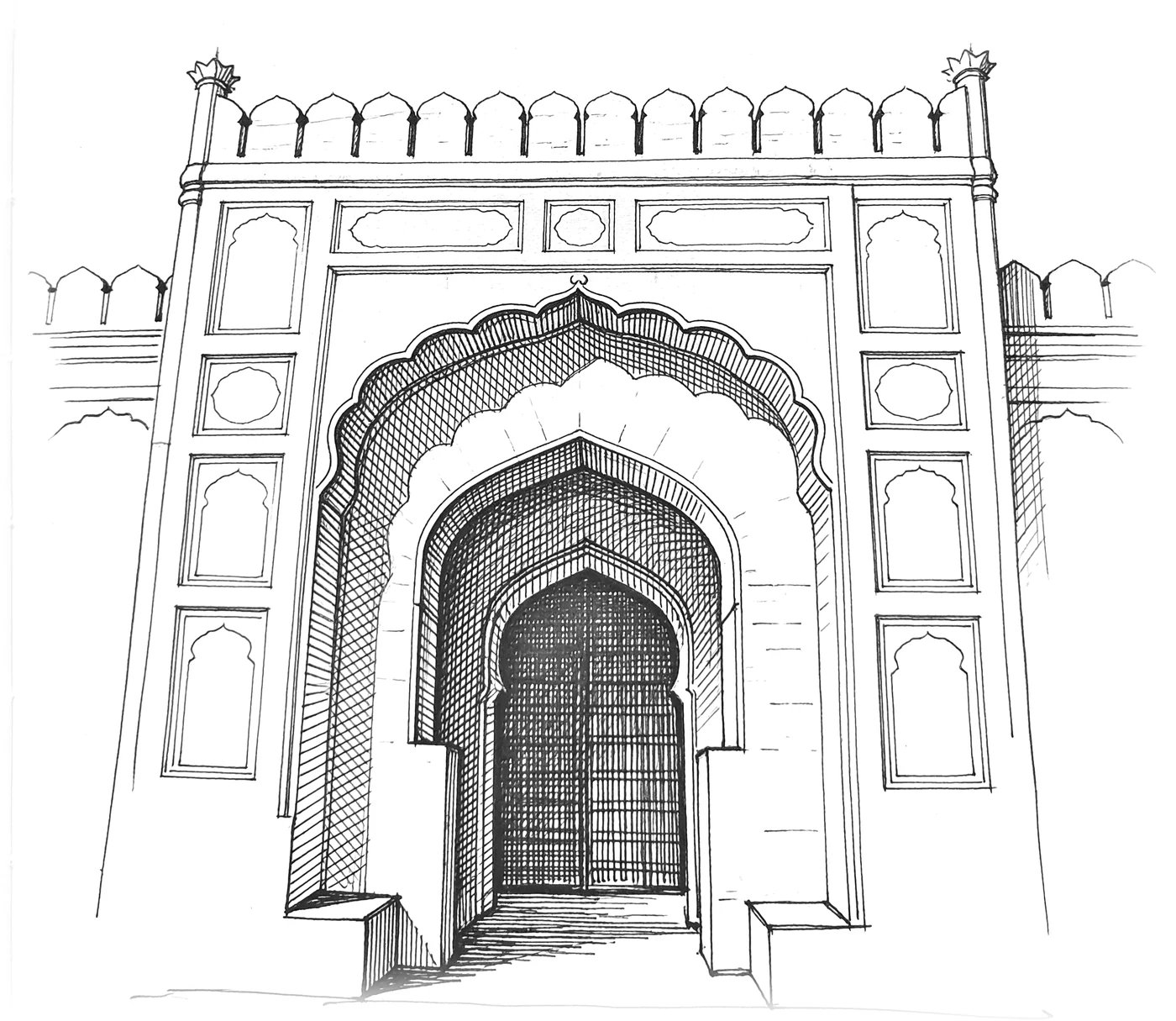
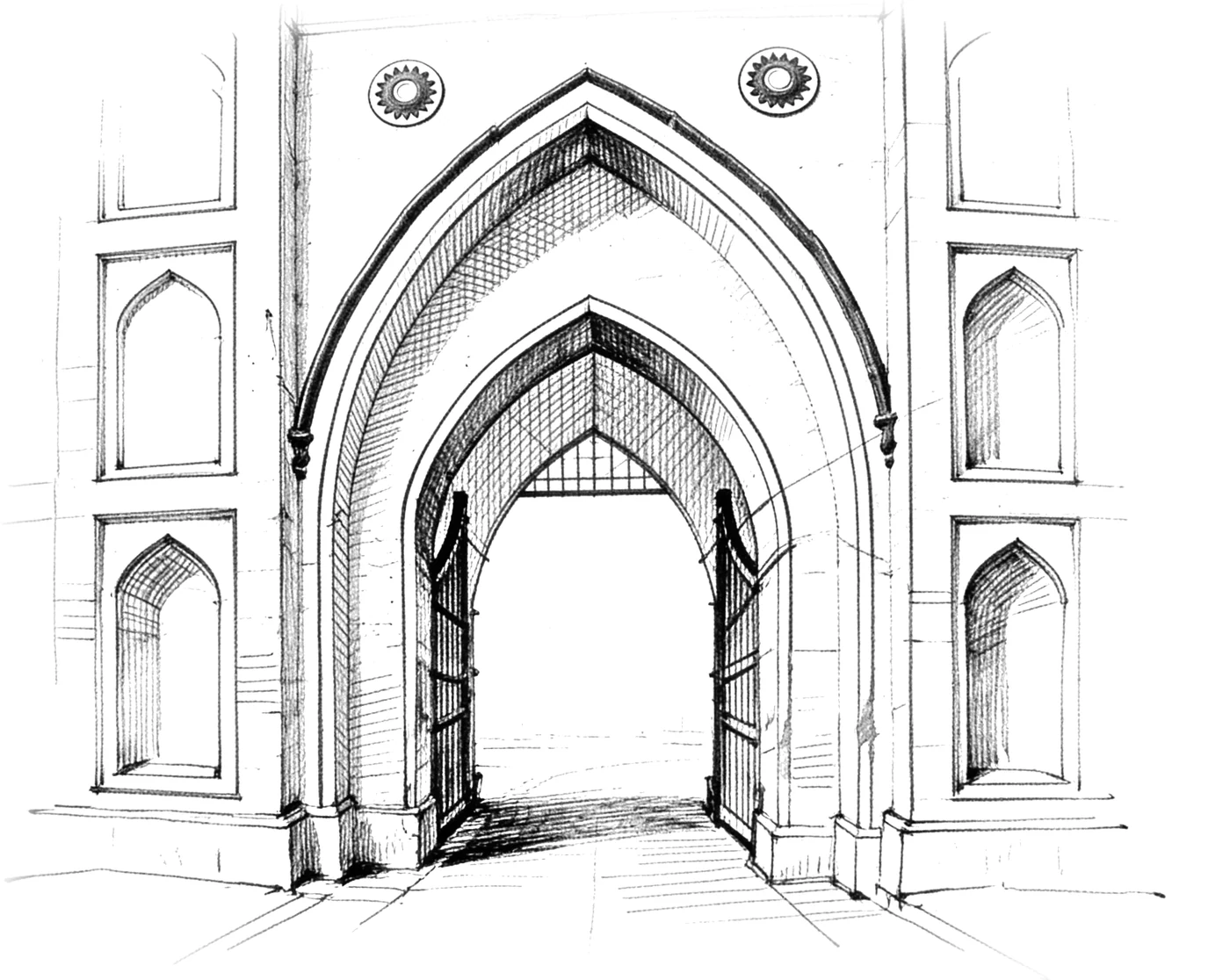
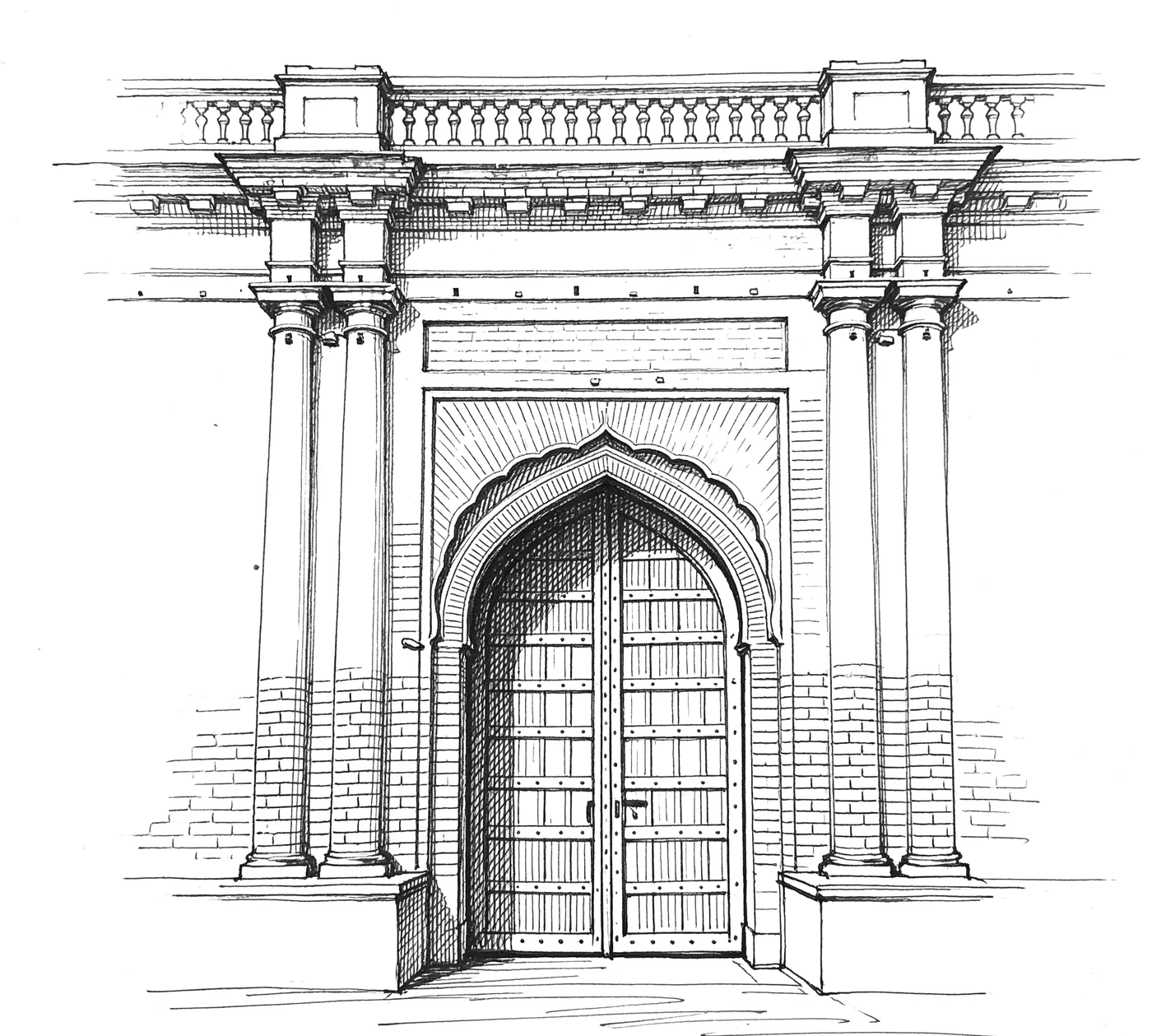
Ink drawing of Delhi Darwaza, Lahore

I · Dastaan · Delhi Darwaza

A Darwaza has two sides.So does this necklace.

Delhi Darwaza was first built in Mughal times, on the eastern side of old Lahore, facing the road to Delhi. Behind it, families have celebrated their weddings for generations.

This necklace was made with the same idea. One side is set with colour, for her mehndi. Turned over, it is white kundan and pearls, for her nikah. One piece, for both days.

ColourFor her mehndi.

The Delhi Darwaza set

A necklace, a pair of tops, a maang tikka and a ring.

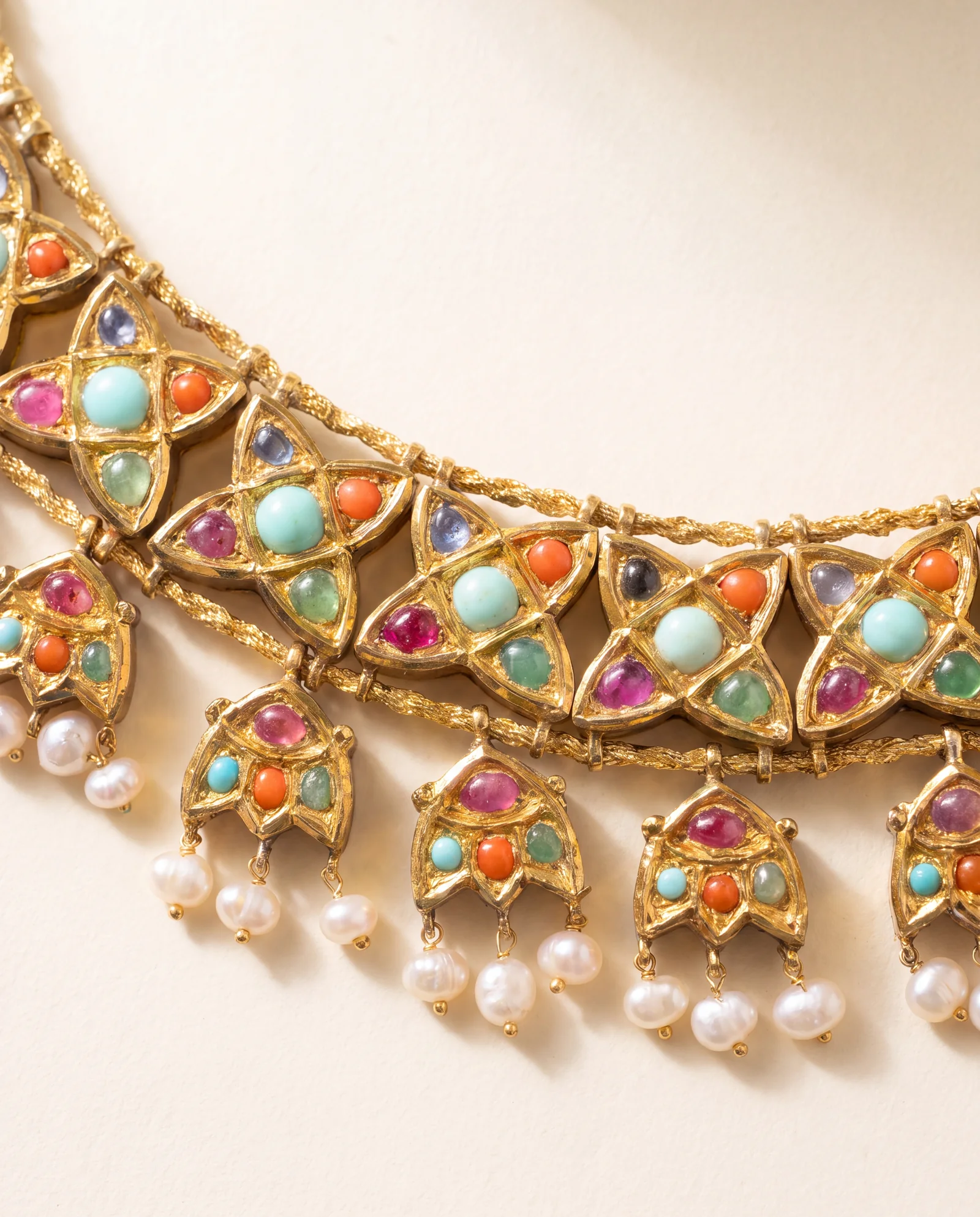
Close view of the Delhi Darwaza necklace: colour set in cells of gold, each drop finished with pearls
The necklace, closer
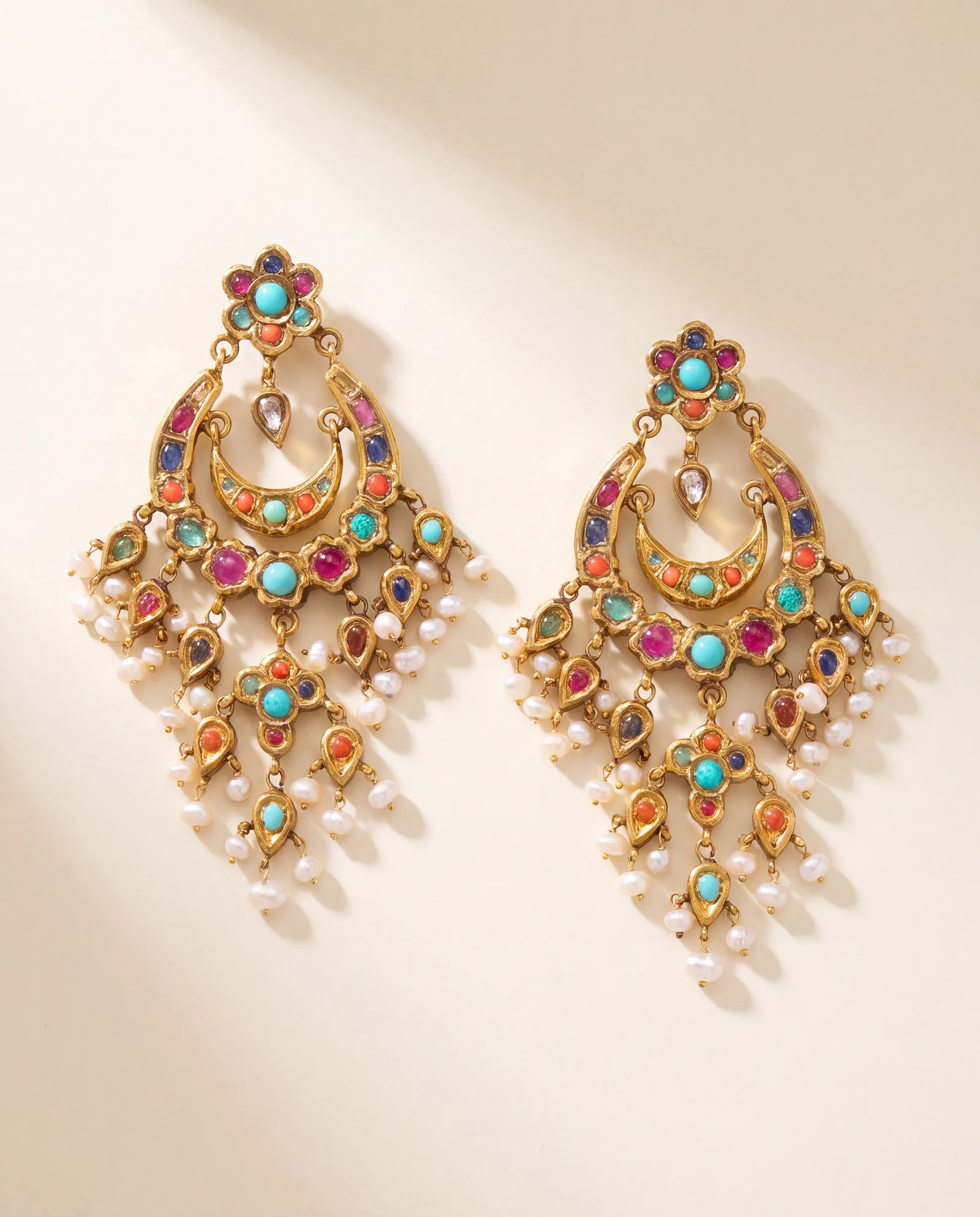
The tops of the Delhi Darwaza set: a crescent inside an arch, set with colour and finished with pearls
The tops
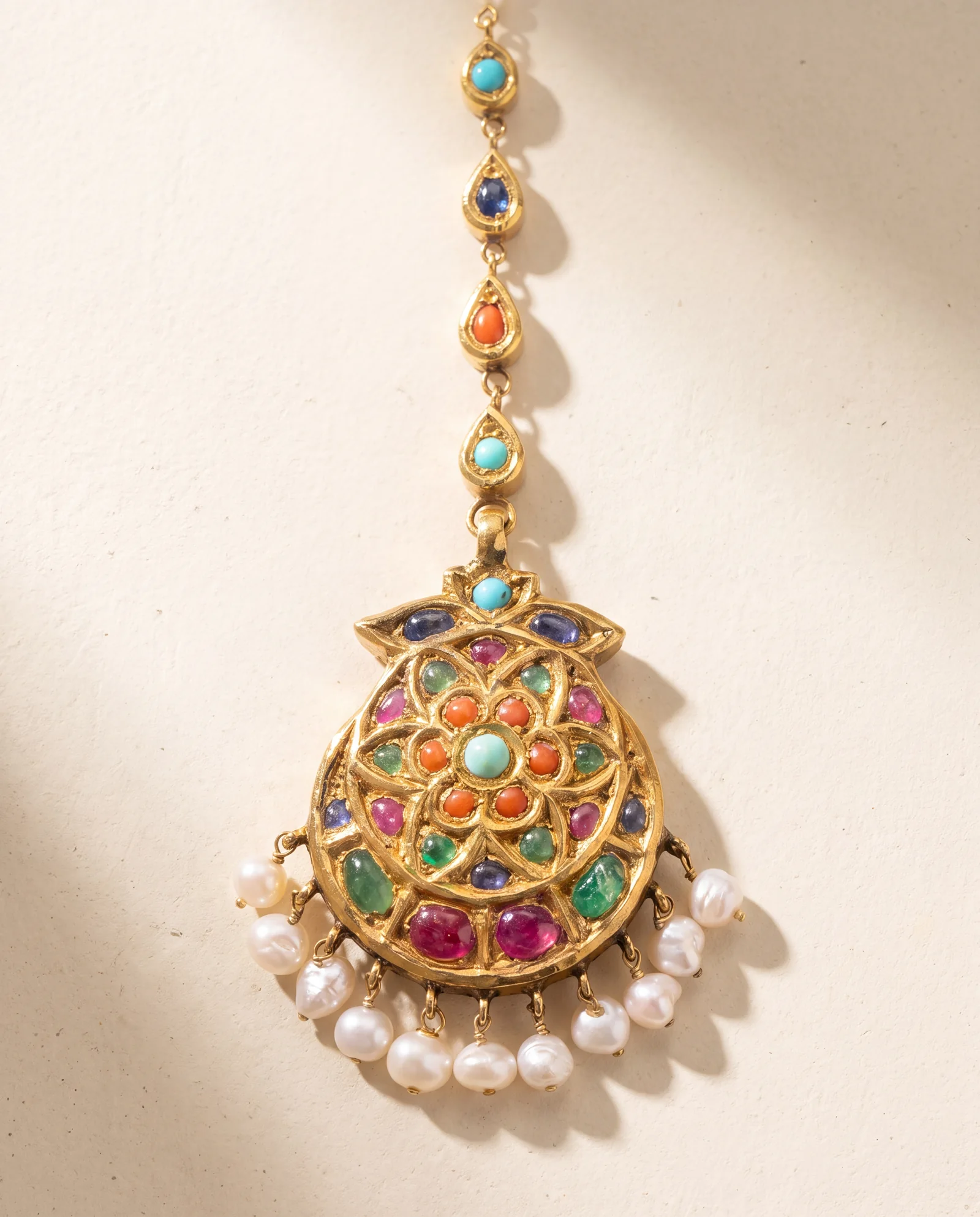
The maang tikka of the Delhi Darwaza set
The maang tikka
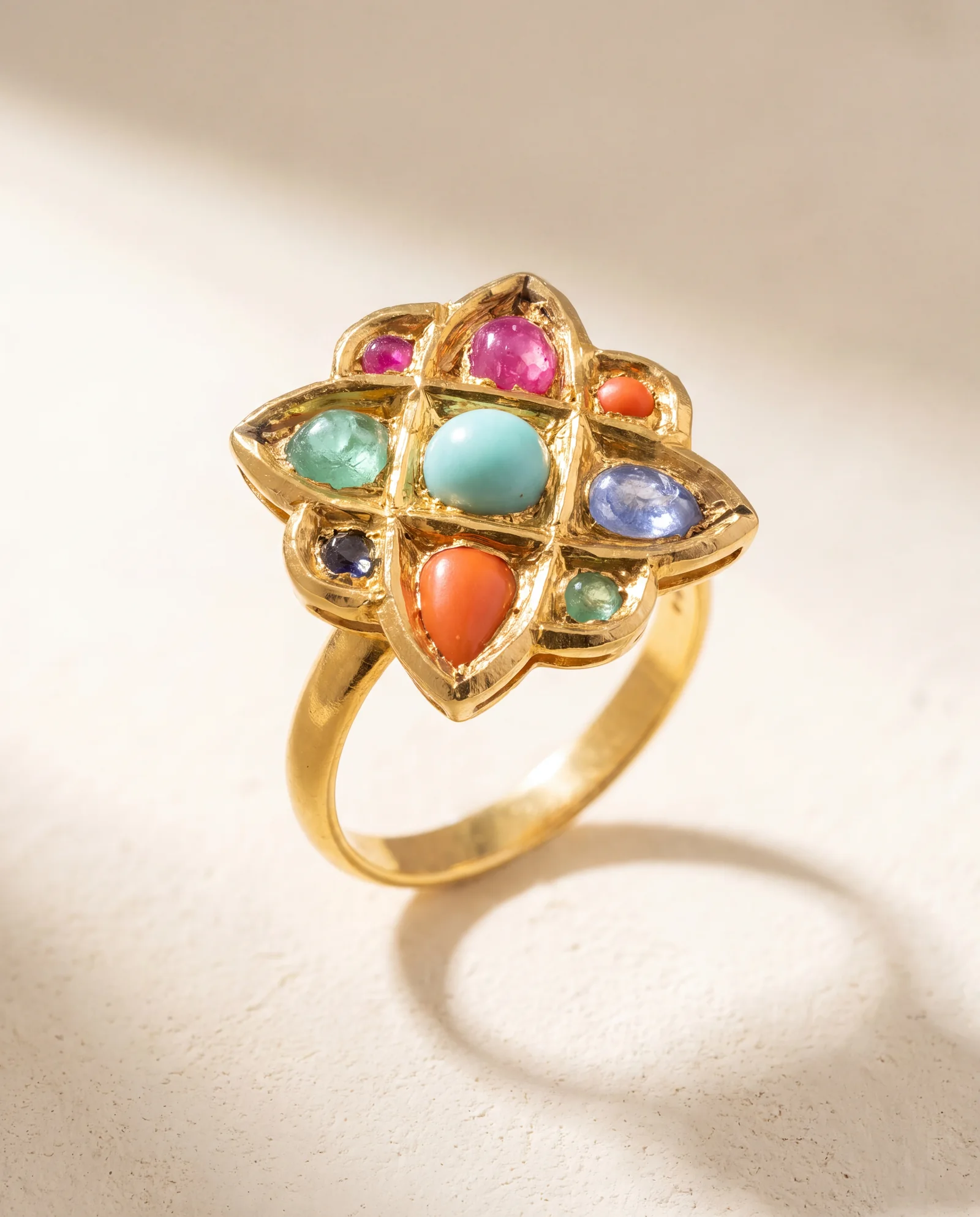
The ring of the Delhi Darwaza set
The ring
Glazed tile panels of flowering trees on the Wazir Khan Mosque, Lahore

The colours behind it

About 260 metres inside Delhi Darwaza stands the Wazir Khan Mosque, built between 1634 and 1641 and covered in glazed tile, kashi kari. Its colours are the colours of this set.

The Darwazas to come

One Darwaza at a time

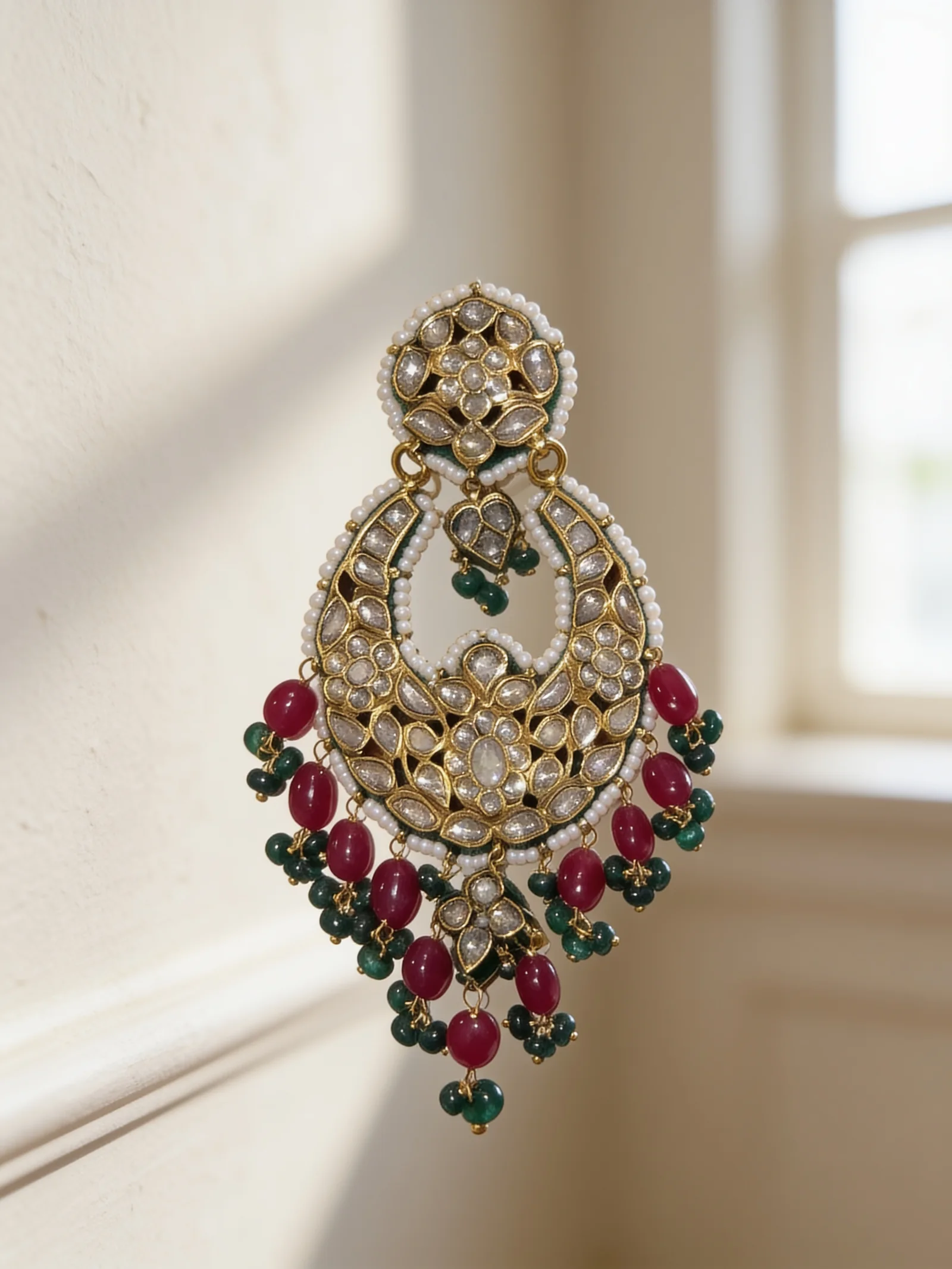
A chandbali of the Roshnai Darwaza set, close: a crescent hung below a round top, edged with pearls
Ink drawing of Roshnai Darwaza, Lahore

II · Opens next

Roshnai Darwaza

The Gate of Lights.

Roshnai Darwaza stands between the Lahore Fort and the Badshahi Mosque. It was lit every evening, which gave it its name, and it is the one gate of the thirteen that still stands much as it was built.

The choker and chandbalis
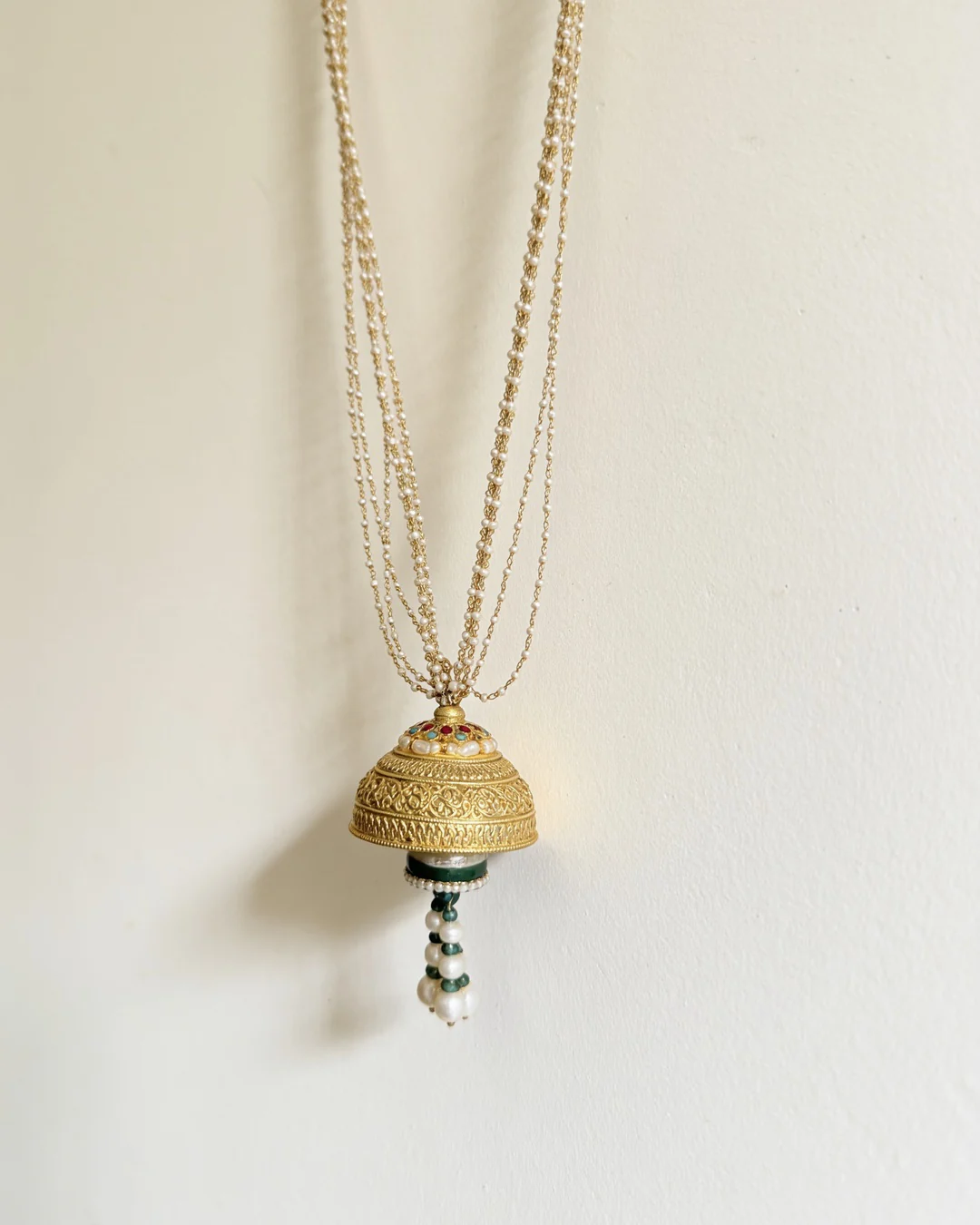
The Kashmiri Darwaza mala: strands of pearls gathered into one gold jhumka, finished with a tassel of pearls
Ink drawing of Kashmiri Darwaza, Lahore

III · To come

Kashmiri Darwaza

The gate that faces Kashmir.

Kashmiri Darwaza is named for the direction it faces. Its piece is a mala: strands of pearls gathered into a single gold jhumka, chased by hand.

The jhumka mala
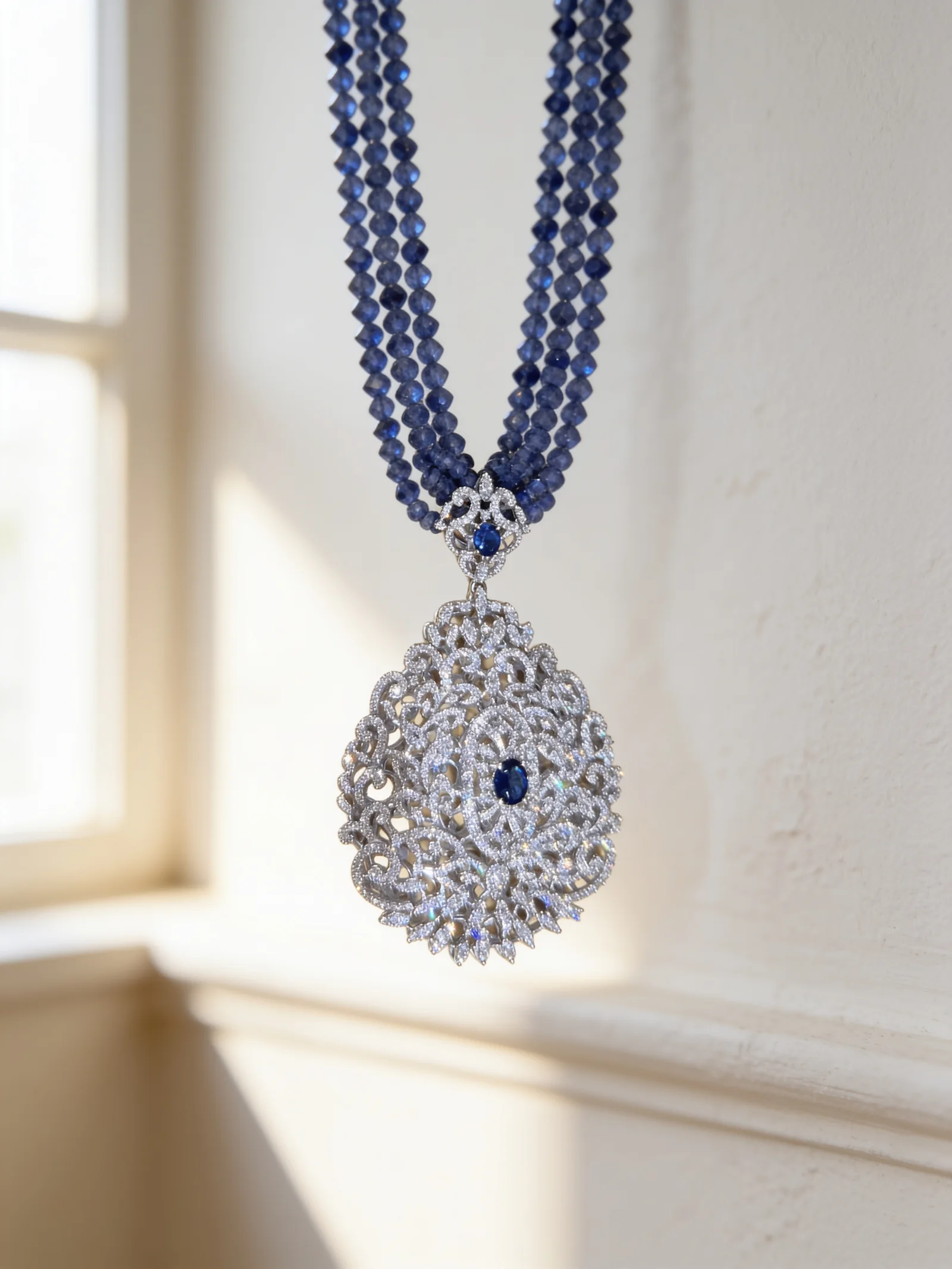
The pendant of the Lohari Darwaza mala, worked like lace, on strands of deep blue beads
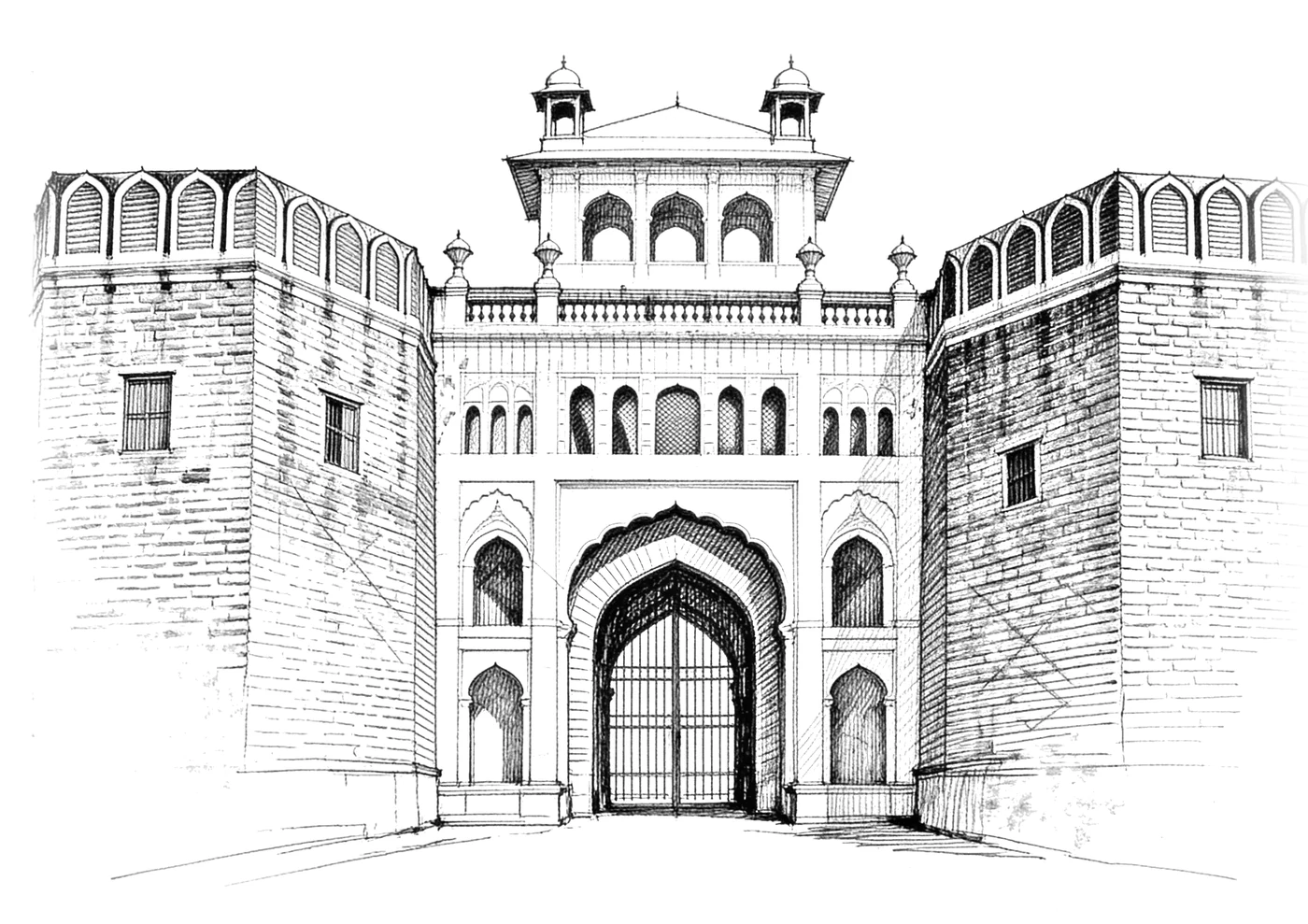
Ink drawing of Lohari Darwaza, Lahore

IV · To come

Lohari Darwaza

The gate of the smiths.

Lohari Darwaza takes its name from the lohars, the blacksmiths whose workshops once stood just outside it. Its piece is a mala in deep blue, with a pendant worked as finely as lace.

The blue mala

See Dastaan in person

Dastaan opens one Darwaza at a time. To see a piece, or to ask about one, book a private appointment at either Lahore store or write to the house.

Ruby Jewellers. Since 1957.
Our Lahore StoresBy private appointmentMade to OrderDesigned for one, made by handBridal AppointmentsOne advisor for every celebration