The History of the House by Ruby Jewellers
SINCE 1957

The History of the House

From one counter on The Mall in 1957 to two addresses and a third generation, decade by decade.

Ruby Jewellers · Lahore

A Lahore House Since 1957

From one counter on The Mall in 1957 to two addresses and a third generation, decade by decade.
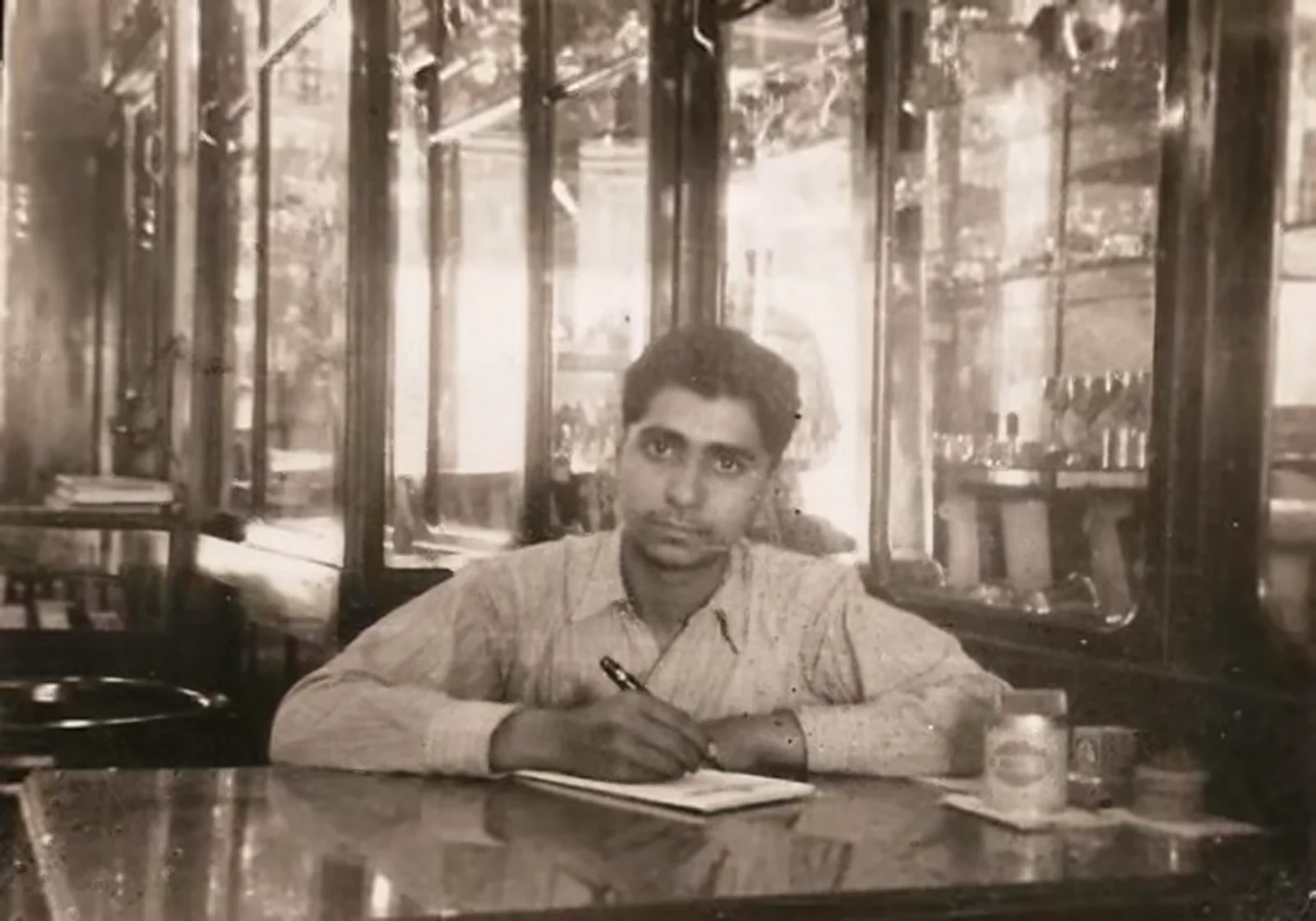
Khadim Hussain Sheikh, founder of Ruby Jewellers, writing at his desk

1957

Ruby Jewellers Opens on The Mall

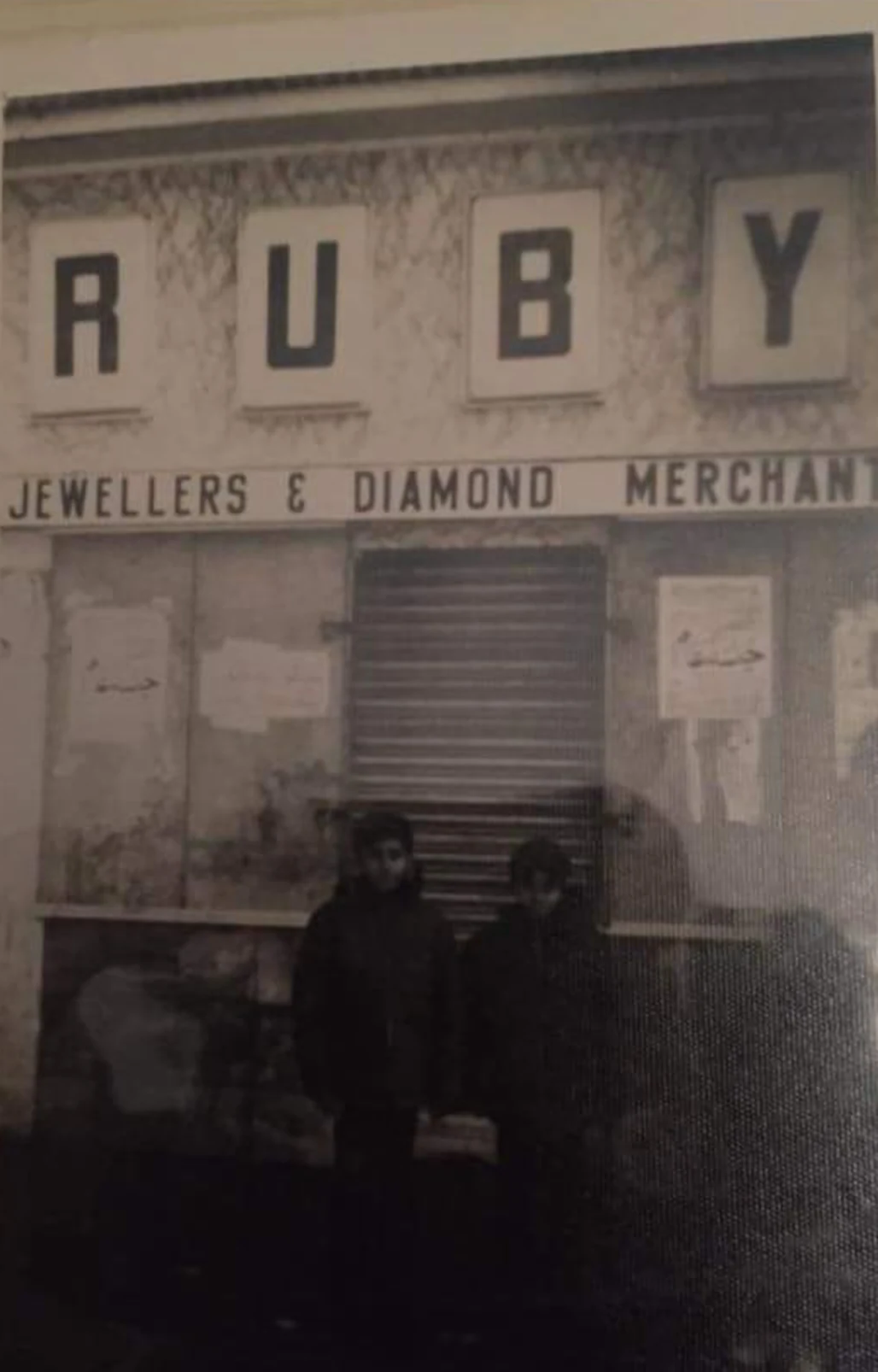
Having learned his craft under the Lahore jeweller Ghirdari Lal, Khadim Hussain Sheikh opens Ruby Jewellers on Mall Road on 4 October 1957, with a single counter. He works in the Mughal tradition the city has inherited, its floral line and its disciplined geometry, and every jewel is made to order.

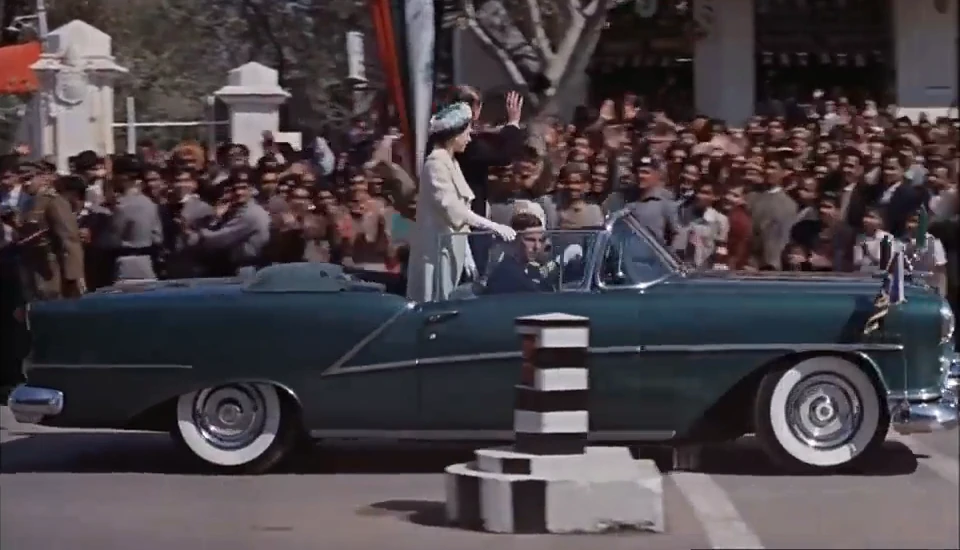
Queen Elizabeth II greets the crowds from an open car during the state visit of February 1961

The 1960s

A Name Plate for the Queen

Through the decade, the name of Ruby Jewellers travels from one Lahore family to the next, and a principle takes hold that the House has never abandoned: every jewel is drawn for the person who will wear it.

In February 1961, as Queen Elizabeth II makes her state visit to Pakistan, Government House in Lahore places order No. 274 at the House's counter in Commercial Building, Mall Road: silver corners, a clasp and hinges for a casket of gifts, and a name plate lettered for H.M. Queen Elizabeth II, each to be gilded in gold. Three weeks earlier, order No. 261 asks for silver name plates for the royal children, Prince Charles among them. Both order forms, written on the House's own paper, remain in the Ruby archives.
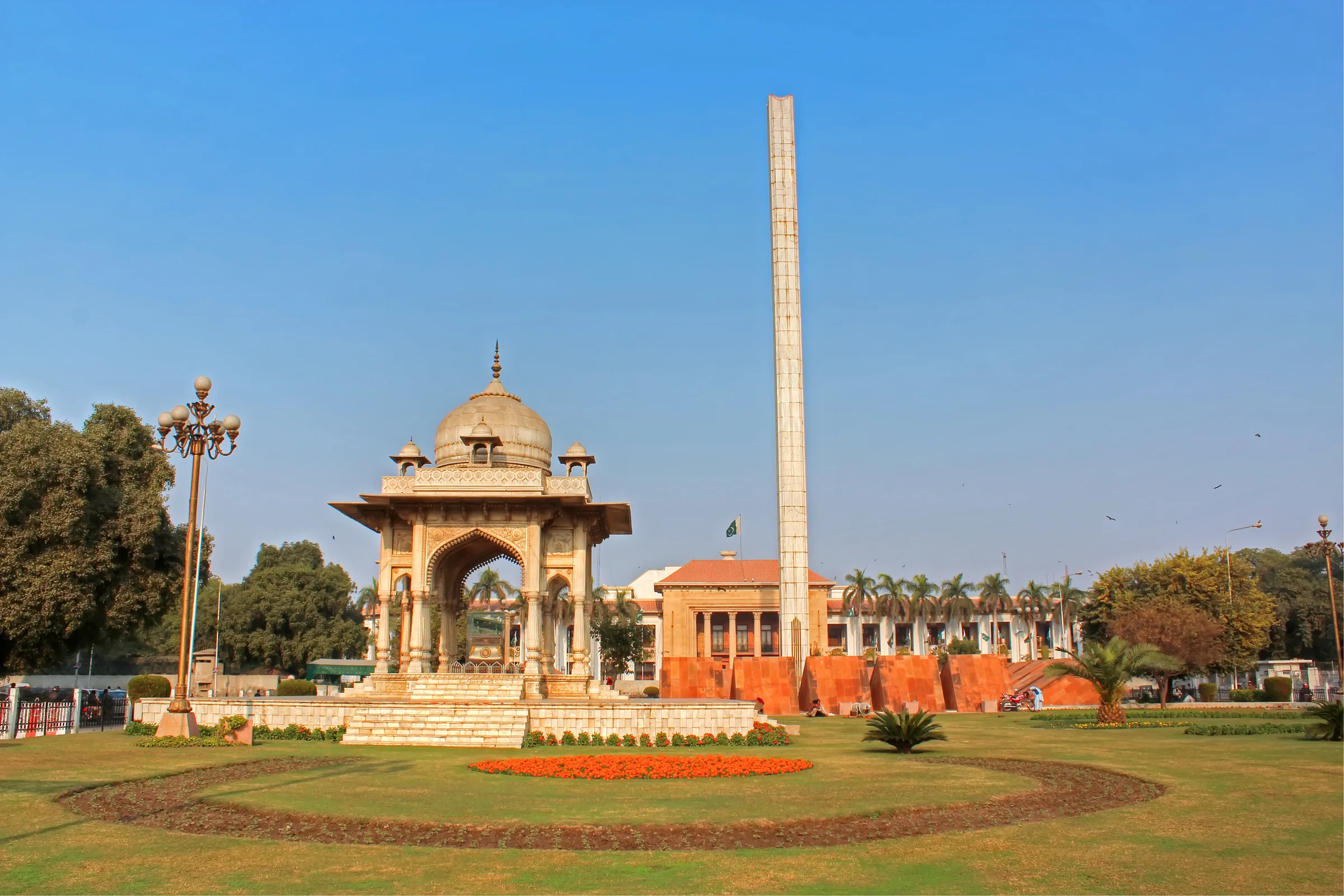
The Summit Minar at Charing Cross, built to mark the 1974 summit

The 1970s

The Islamic Summit

In February 1974, Lahore receives the heads of state of the Muslim world for the Second Islamic Summit, King Faisal of Saudi Arabia among them. On 29 March, the Commissioner of the Lahore Division writes to Khadim Hussain Sheikh at Maclagan Road to place on record the Administration's deep appreciation of the good work done by Ruby Jewellers in connection with the Summit. The letter is preserved in the Ruby archives.

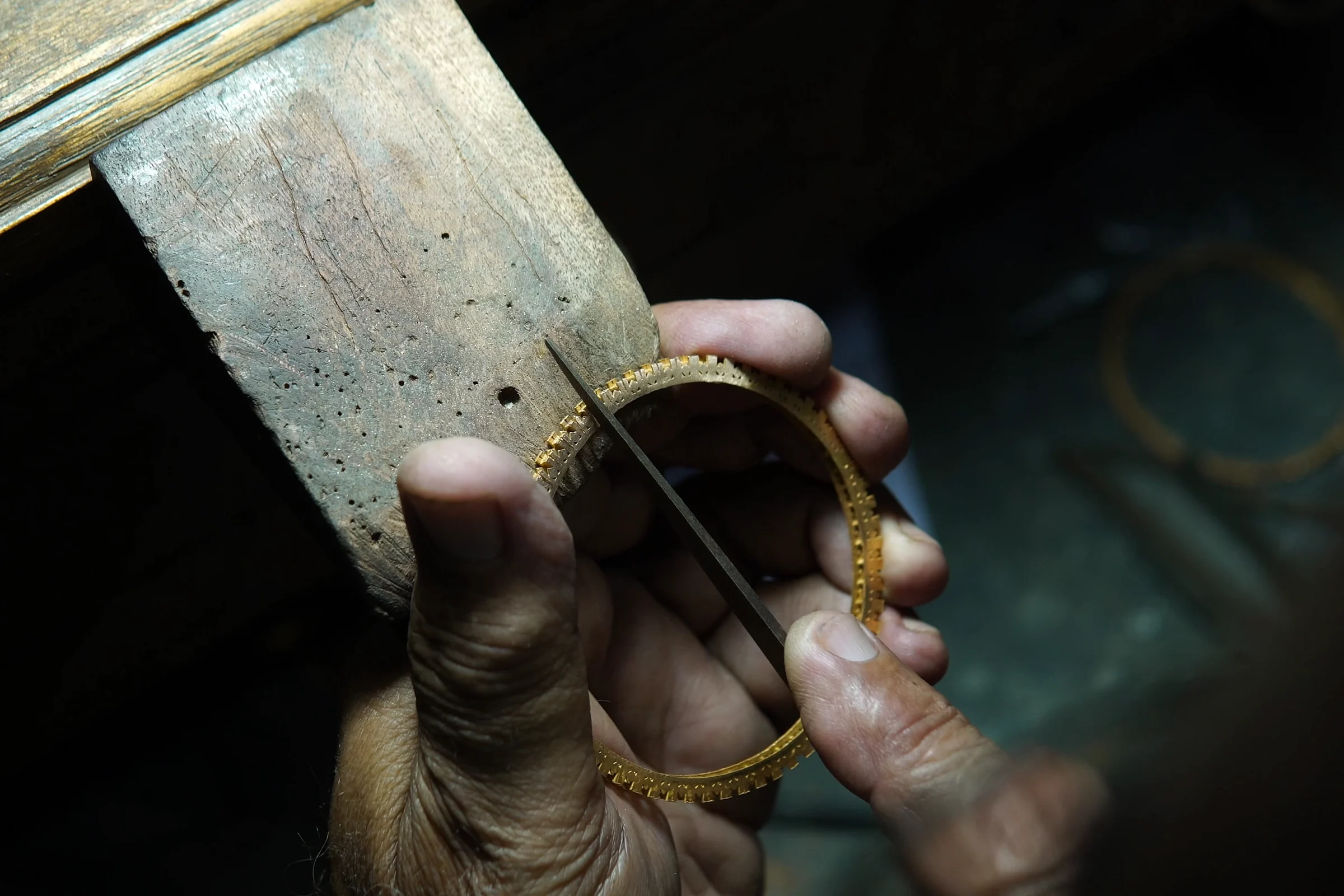
A goldsmith files the edge of a gold bangle at the bench

The 1980s

The House Chooses Lahore

As Ruby Jewellers begins to export, its jewels are worn in cities far from Lahore. The House elects to remain a single store, so that its standard in high-karat gold is kept under one roof, and it holds to that decision for almost thirty years.

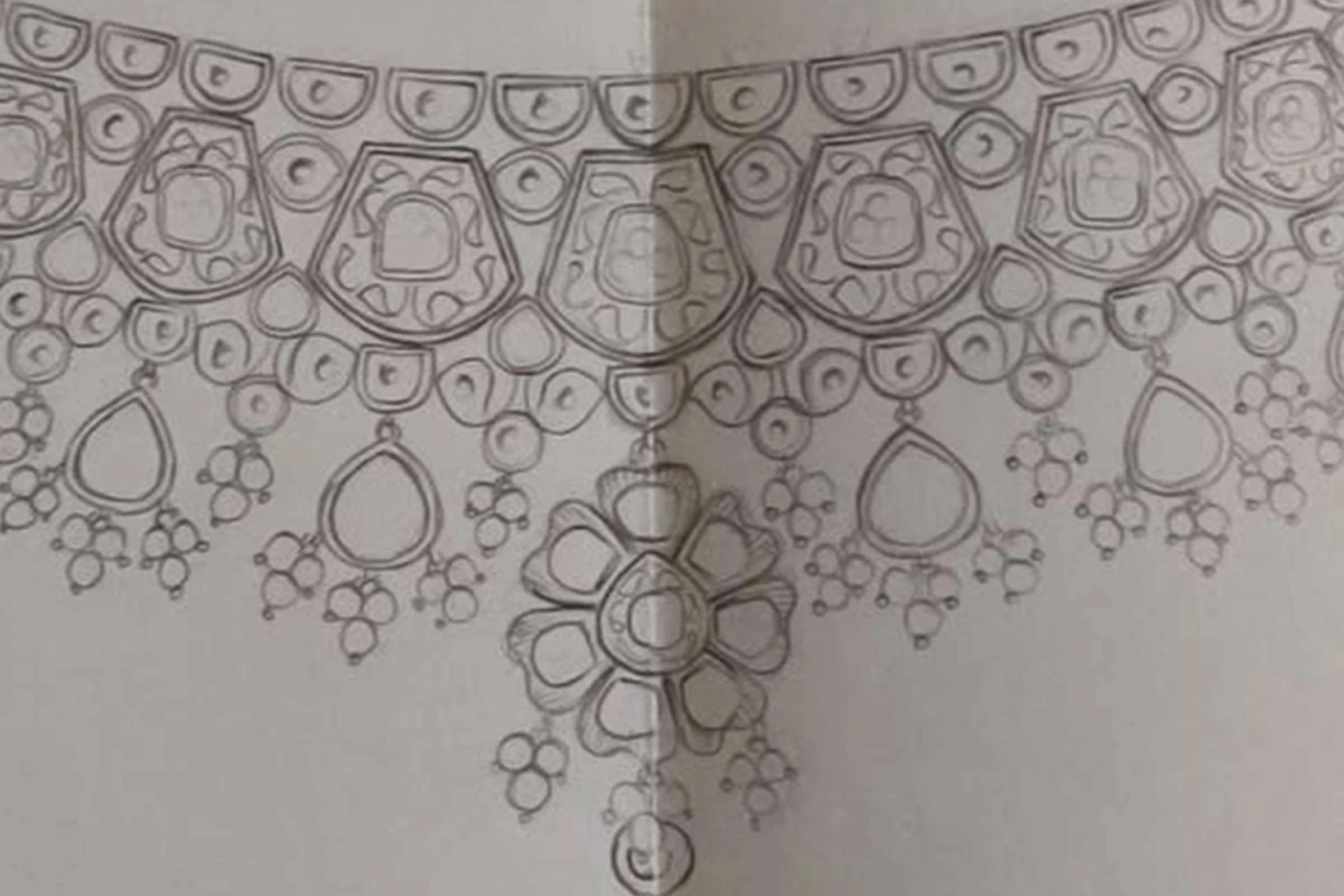
A Ruby design drawn in pencil on paper

The 1990s

A New Hand at the Drawing Board

Design passes to Athar-ur-Rehman Sheikh, the founder's son. Under his hand the line moves toward the present, with lighter proportions and more open settings, so that a bride of the nineties may wear what her mother wore and make it her own.

The Ruby monogram in the House's salon

The 2010s

The Galleria Opens in DHA

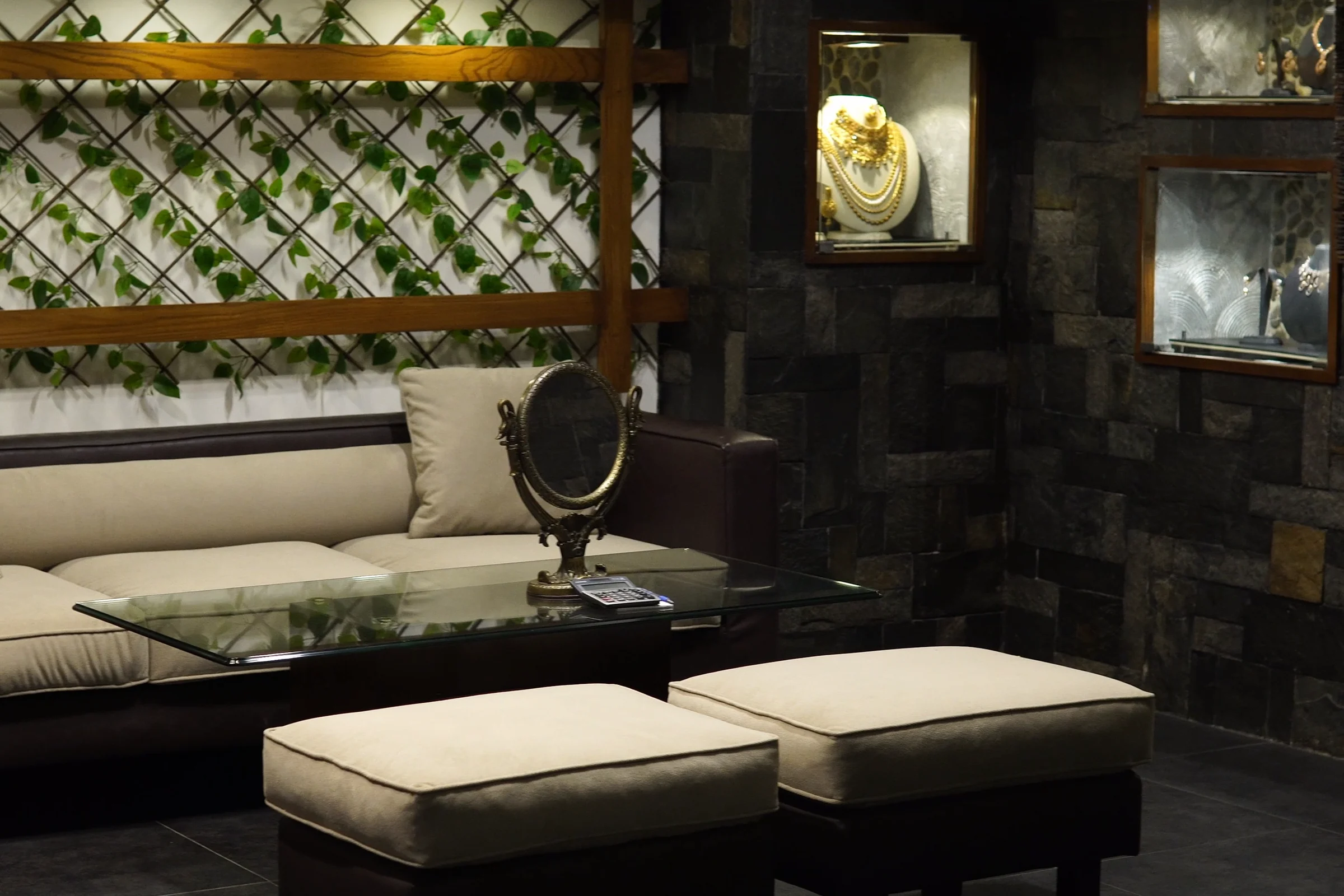
For the first time in more than half a century, Ruby Jewellers keeps two doors open: The Galleria opens in DHA in 2011. The House follows the families it has served for three generations to the other side of the city.

Through the decade a working principle becomes a rule of the House. The stone is chosen first, and the setting is then drawn around what that stone asks for: its colour, its depth, and the way it takes the light of a Lahore afternoon.

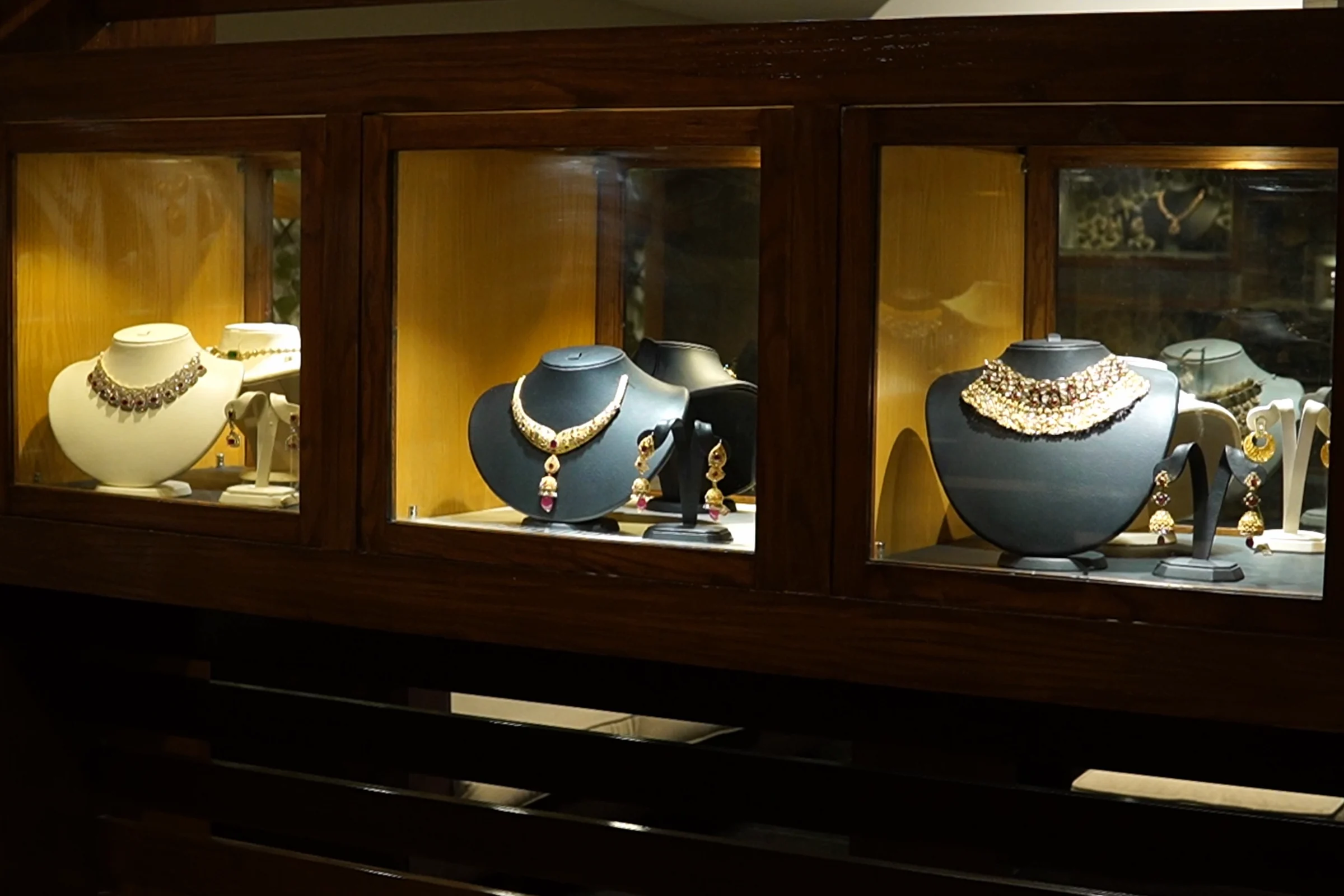
Ruby jewels in the vitrines of the House

Today

Three Generations, One House

Athar Sheikh, the founder's son, leads the House today, with the founder's grandson at his side. Most of its jewels are still made to order, discussed before they are drawn and drawn before they are made, and many are made for the same families. Women first brought to Ruby as brides now return with their daughters, and some families have come to the House for four generations. In October 2026 the House marked sixty-nine years.

Ruby Today

Still the Jeweller of the Same Families

Book an appointment
Our Lahore StoresBy private appointmentMade to OrderDesigned for one, made by handBridal AppointmentsOne advisor for every celebration